About Lyocell/Modal/Tencel Yarn & Fiber
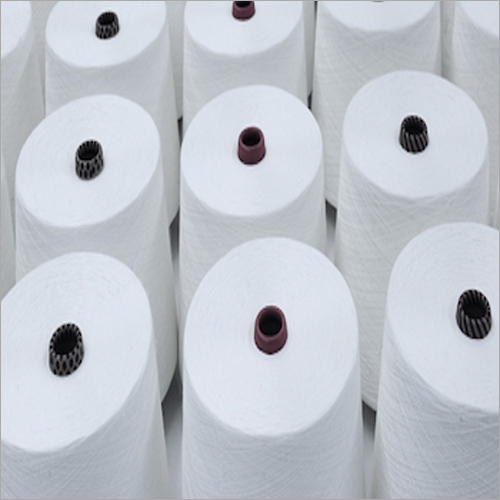
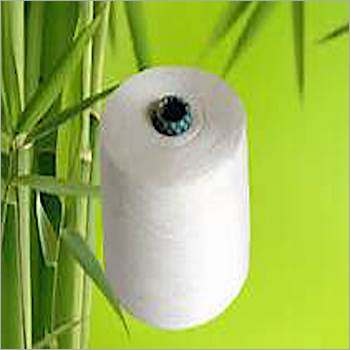
Tencel/Modal/Lyocell Yarns
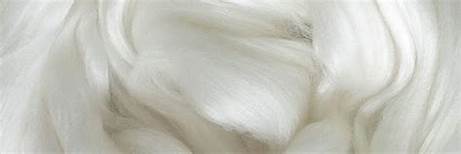
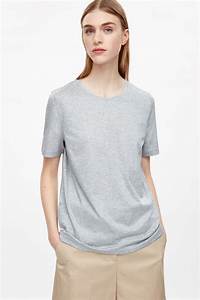
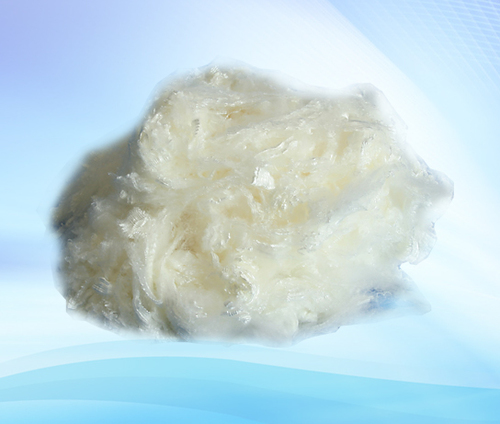
Known for their natural comfort, TENCEL Lyocell fibers are versatile and can be combined with a wide range of textile fibers such as cotton, polyester, acrylic, wool, and silk to enhance the aesthetics and functionality of fabrics. Unique physical properties of TENCEL Lyocell fibers lead to their great strength, efficient moisture absorption and gentleness to skin.
- We have wide range of yarns from 30/1 to 60/1
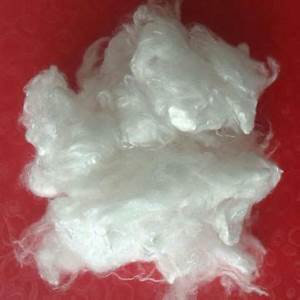
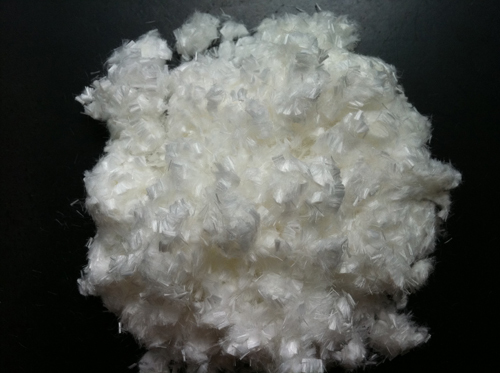
- Fibre Range from 1D to 1.5D x 38MM
Eco-Friendly ExcellenceOur Lyocell, Modal, and Tencel yarns and fibers are produced using sustainable processes, making them biodegradable and less harmful to the environment. Derived from responsibly sourced cellulose, these fibers offer an alternative for manufacturers seeking eco-friendly textile solutions without compromising on performance and softness.
Versatile Applications for Every NeedWhether you require raw or dyed fibers, staple or filament yarn, our wide assortment is suitable for knitting, weaving, spinning, and general textile manufacturing. Their excellent tenacity, high elasticity, and crimp recovery ensure your finished products maintain superior durability while offering a soft, pleasant touch.
FAQs of Lyocell/Modal/Tencel Yarn & Fiber:
Q: How are Lyocell, Modal, and Tencel yarns and fibers produced?
A: Lyocell, Modal, and Tencel fibers are produced from wood pulp, typically sourced from sustainable forestry. The process uses eco-friendly solvents in a closed-loop system, meaning most chemicals are recycled and reused, minimizing environmental impact. This modern manufacturing method results in fibers that are both soft and strong.
Q: What are the primary benefits of using Lyocell, Modal, or Tencel yarn and fiber in textiles?
A: These fibers are known for being eco-friendly, biodegradable, and offering a soft, smooth touch with high tenacity and elasticity. They also have excellent moisture management, making them comfortable to wear, and their ability to recover from crimp ensures durability in finished products.
Q: When should I choose staple fiber or filament yarn for my application?
A: Staple fibers are generally preferred for spinning into blended or pure yarns for knitting and weaving, offering a natural feel and good bulk. Filament yarns, on the other hand, are suited to applications requiring a smooth, continuous finish, such as in fine weaving and specialty textiles. The choice depends on the desired texture, appearance, and end-use.
Q: Where can these yarns and fibers be used most effectively?
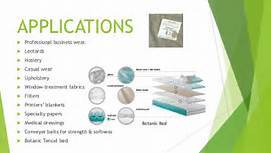
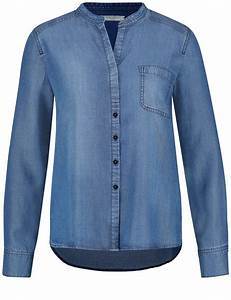
A: This material is highly versatile and can be used in knitting, weaving, spinning, and various textile sectors. Its softness, strength, and luster make it ideal for clothing, home textiles, and industrial applications seeking eco-friendly, high-quality fibers.
Q: What spinning methods can be used with these fibers, and why are they important?
A: Our Lyocell, Modal, and Tencel fibers are suitable for ring, open-end, and air jet spinning. Each method can influence yarn structure and end-use: ring spinning provides high-strength yarns, open-end spinning is efficient for bulkier yarns, and air jet spinning delivers smooth, consistent results. The choice depends on required yarn characteristics and application.
Q: How does the products moisture regain rate benefit textile manufacturing?
A: With a moisture regain of 11%13%, these fibers can absorb and release moisture efficiently, enhancing wearer comfort in apparel and maintaining process stability during spinning and weaving. This property also helps in reducing static build-up and improves dye uptake.






 008613917742373



 English
 Spanish
 French
 German
 Italian
 Chinese (Simplified)
 Japanese
 Korean
 Arabic
 Portuguese
 Get Latest Price

 Send Inquiry

 Send Inquiry
 Send SMS