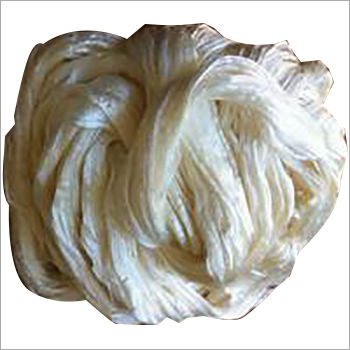
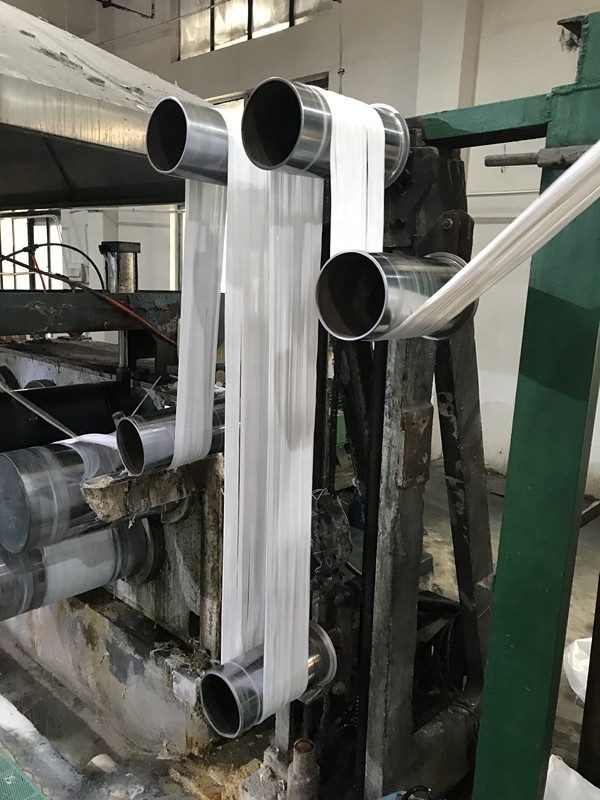
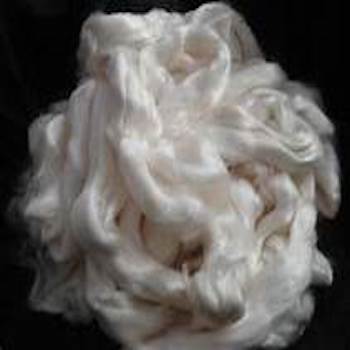
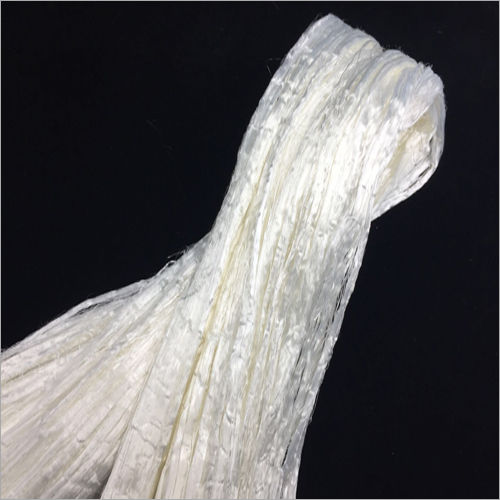
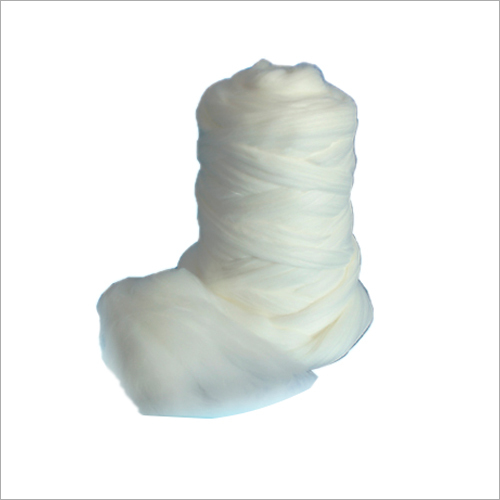
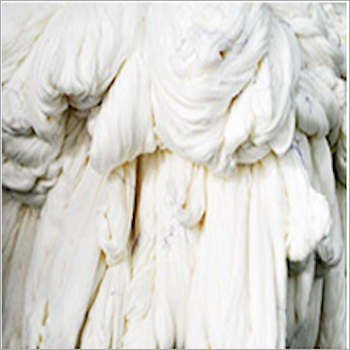
About Nylon Tow
Nylon tow electrostatic flocking
- Nylon 6,66 flock tow ---Mainly use for flocking fabric
- Raw material:100% original invista PA66 chips
- PA6 China sinopec chips
Nylon TOW handled by our company is always available in Nylon 6 and Nylon 66 to meet requirements for each application.We offer a wide range of deniers that we can split into application areas:
- Woolen spinning
- Carpet spinning
- ·Non-woven fabric
- Reinfer cement & paper industry
- Denier: 1.2D~80D
- Luster: bright/dull/semi-dull
- Color: white/black
- Material:100% nylon, high hardness
- Shape: triobal/round/
- Moisture:32.9~35%
- Delivery:7-15 days after your order
- Packing: boxes
- Minimum order:5 ton
- Monthly ability:1000ton
High-Performance Raw Material for TextilesNylon Tow is renowned for its exceptional strength, abrasion resistance, and lightweight properties. Its continuous filament structure supports advanced fiber processing for carpets, blended yarns, and non-woven fabrics. The material is moisture absorbent and retains its integrity even in varying atmospheric conditions, making it suitable for versatile textile applications.
Adaptable and Customizable Supply OptionsAvailable in variable lengths and weights according to order specifications, Nylon Tow is typically supplied in compressed bales or coils. Custom color options and widths provide flexibility, ensuring the material meets specific processing and manufacturing needs in textile factories worldwide.
Care and Storage RecommendationsTo preserve Nylon Tows quality, avoid exposing it to excessive heat, as its melting point is 220C. Store in a dry environment to prevent moisture uptake beyond its 4.5% regain at standard atmospheric conditions. These measures help maintain the tows structural integrity and prolong its usability for various applications.
FAQs of Nylon Tow:
Q: How is nylon tow typically supplied and stored in the textile industry?
A: Nylon Tow is generally supplied in compressed bales or large coils to facilitate handling and processing. It should be stored in a dry place to avoid excessive moisture absorption and must be kept out of extreme heat to maintain its quality and properties.
Q: What is the main benefit of using nylon tow in carpet manufacturing and yarn blending?
A: The primary advantage lies in nylon tows high tensile strength, abrasion resistance, and lightweight structure. These properties ensure that finished products like carpets and blended yarns have enhanced durability and performance, making them long-lasting and comfortable.
Q: Where can nylon tow be utilized within the textile sector?
A: Nylon tow finds applications in carpet production, yarn blending, non-woven fabric manufacturing, spinning, and fiber processing. Its adaptability makes it invaluable in textile manufacturing plants, spinning mills, and carpet factories.
Q: What should be considered when processing nylon tow for outdoor textiles?
A: Nylon tow has moderate UV resistance. For outdoor applications, it may require the addition of UV stabilizers to prolong its longevity and resist color degradation caused by sunlight exposure.
Q: What is the process of transforming nylon tow into usable textile products?
A: Nylon tow undergoes processes such as spinning or blending with other fibers to create yarns. These yarns are then used in weaving or knitting to develop carpets, non-wovens, or blended textile products, taking advantage of nylons strength and resilience.
Q: When is it advisable to use nylon tow in textile production?
A: Nylon tow is an all-season material due to its moisture absorbency, lightweight nature, and robust properties. It is particularly suitable whenever strength, durability, and comfort are required in the finished product.
Q: What customization options are available for nylon tow orders?
A: Suppliers offer custom options in terms of tow length, weight, color, and filament width. This ensures that nylon tow can be tailored to match specific manufacturing requirements across a range of textile applications.






 008613917742373



 English
 Spanish
 French
 German
 Italian
 Chinese (Simplified)
 Japanese
 Korean
 Arabic
 Portuguese
 Get Latest Price

 Send Inquiry

 Send Inquiry
 Send SMS