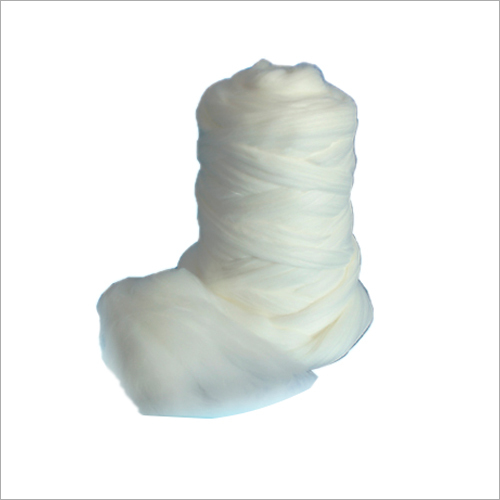
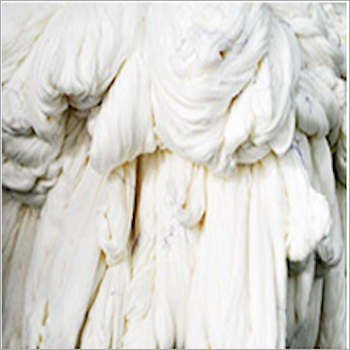
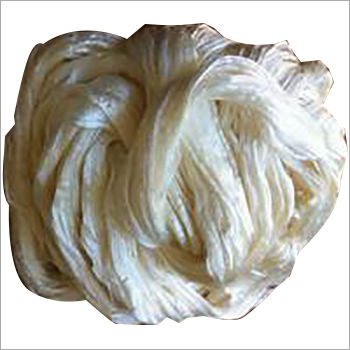
About Polyester Tow
Polyester Tow electrostatic flocking
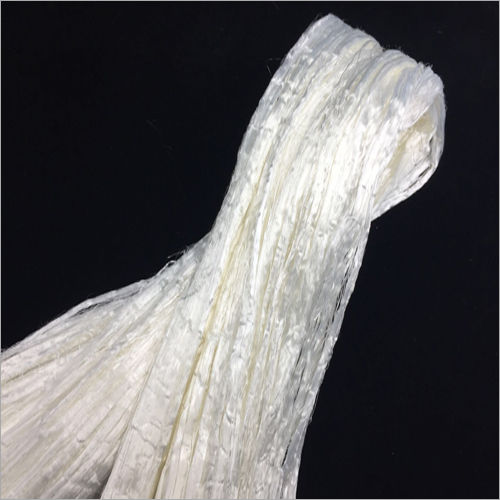
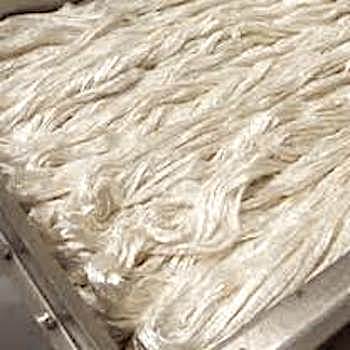
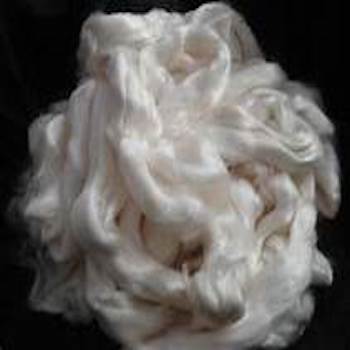
Polyester flock tow Mainly use for flocking fabric
Raw material:100% Modified Polyester can be dyed with cationic Dyes
Polyester TOW handled by our company is always available in all kinds of shades and raw whit to meet requirements for each application. We offer a wide range of deniers that we can split into 3 application areas:
- Woolen spinning
- Carpet spinning
- Non-woven fabric
- Denier: 1.2D80D
- Luster:bright/dull/semi-dull
- Material:100% Polyester
- Shape:triobal/round/
- Moisture:32.935%
- Delivery:7-15 days after your order
- Packing:boxes
- Minimum order:5ton
- Mouth ability:1000ton
Versatile Applications for Various IndustriesPolyester Tow is designed for adaptability, making it suitable for spinning, nonwoven production, and diverse filling applications. Its compatibility for blending with natural and synthetic fibers provides manufacturers with the flexibility to enhance strength, texture, and durability in their final products. Polyester Tow is ideal for producing staple fibers used in textiles and padding materials.
Customizable to Meet Specific NeedsWith options for luster, crimp, filament fineness, and cut length, Polyester Tow can be tailored precisely to meet the unique requirements of different industries and applications. Clients can specify denier, bale weight, and even request UV-stabilized variants for specialized purposes, ensuring optimal material performance and efficiency.
Global Standards and Quality AssuranceCertified to ISO and OEKO-TEX standards or as needed, each batch of Polyester Tow undergoes stringent quality control measures. This guarantees consistent properties such as color fastness, high tenacity, moisture resistance, and eco-friendly benefits. Packaged securely with moisture protection, it is exported from India or China to clients worldwide.
FAQs of Polyester Tow:
Q: How is Polyester Tow typically used in industrial applications?
A: Polyester Tow is widely employed as a precursor for manufacturing staple fibers, and it serves as raw material in nonwoven fabrics, textile production, and filling for pillows, toys, and insulation. Its flexibility allows it to be blended with other fibers or processed for a variety of specialized uses.
Q: What customization options are available for Polyester Tow?
A: Clients can select various specifications for luster (semi-dull, bright, full-dull), filament fineness (microdenier or regular), crimp levels, and denier (ranging from 1.2D to 15D or more). Bale weight, tow length, and UV resistance are also customizable upon request for different end-use requirements.
Q: When can I expect to receive my order, and what is the minimum order quantity?
A: Lead times vary depending on customization and order size, but shipment timelines are agreed upon during negotiation. The typical minimum order quantity (MOQ) is 500 kg, although this can be adjusted based on client needs and mutual agreement.
Q: Where is Polyester Tow manufactured and exported from?
A: Polyester Tow is produced by certified manufacturers and exporters in India and China, and distributed to customers globally. It complies with international standards such as ISO and OEKO-TEX.
Q: What is the standard packaging process for Polyester Tow?
A: Polyester Tow is baled, strapped securely with plastic or PP straps, and wrapped to protect against moisture during storage and transport. Custom bale sizes are available, generally ranging from 250350 kg per bale, or as per client requirements.
Q: How does Polyester Tow benefit manufacturers in terms of properties and performance?
A: Manufacturers benefit from Polyester Tows high tenacity, color fastness, moisture resistance, quick drying capabilities, anti-bacterial and eco-friendly qualities, as well as its durability through various processing conditions, including standard textile heat and optional UV exposure.
Q: What are the general storage and handling instructions for Polyester Tow?
A: It is recommended to store Polyester Tow in a cool, dry area and avoid direct sunlight to maintain its quality. Proper handling during transportation and storage ensures it remains free from moisture and contamination.






 008613917742373



 English
 Spanish
 French
 German
 Italian
 Chinese (Simplified)
 Japanese
 Korean
 Arabic
 Portuguese
 Get Latest Price

 Send Inquiry

 Send Inquiry
 Send SMS